To help EHA Renew Hope, you can support them with an online gift, TEXT-TO-GIVE at 847-750-4433, or mail in a check. Click the button below for more information.
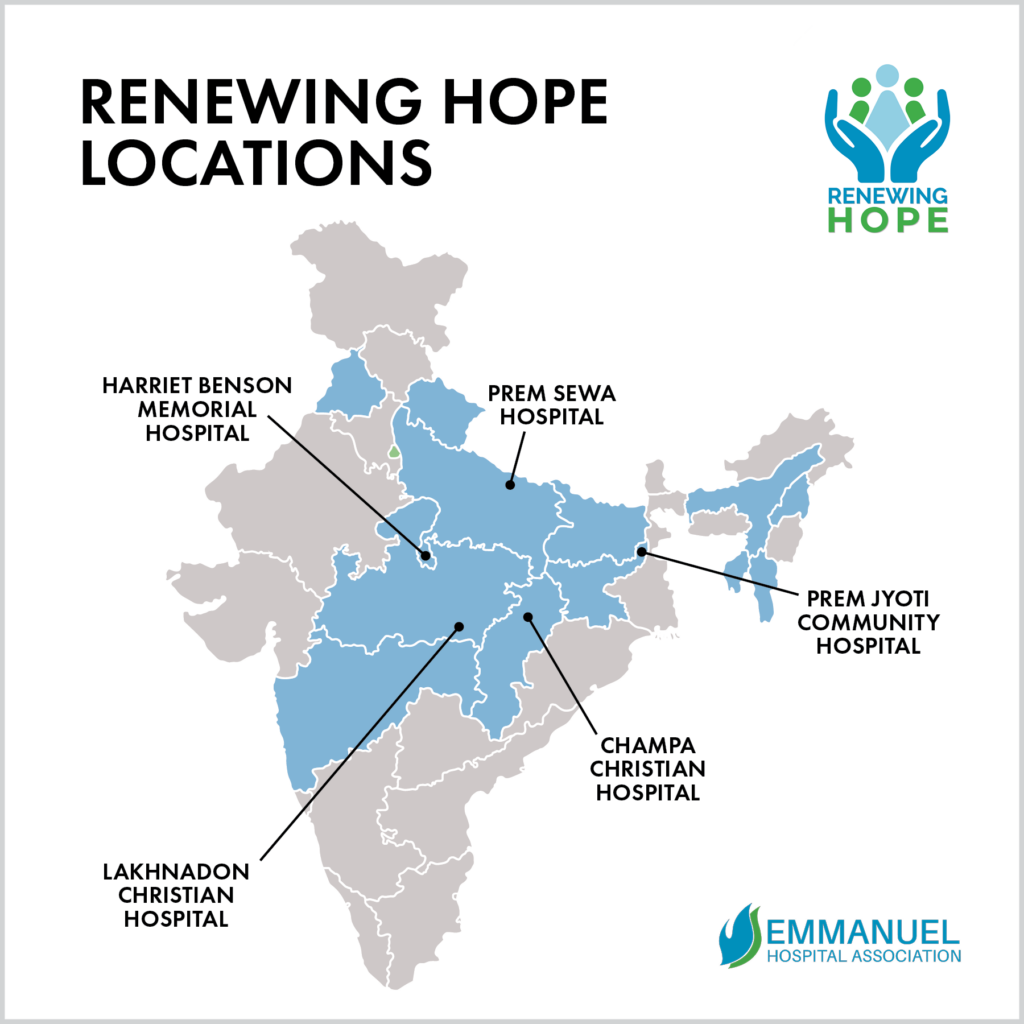
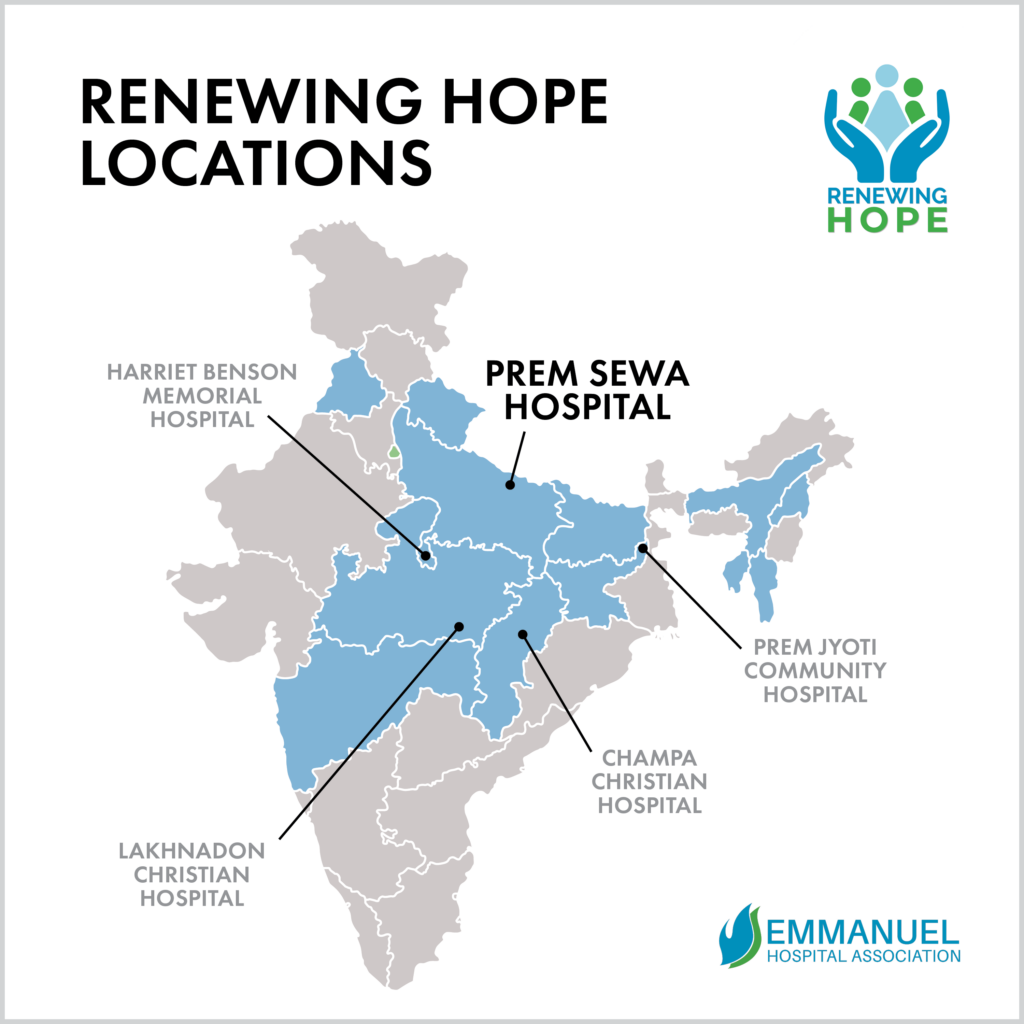
PREM SEWA HOSPITAL
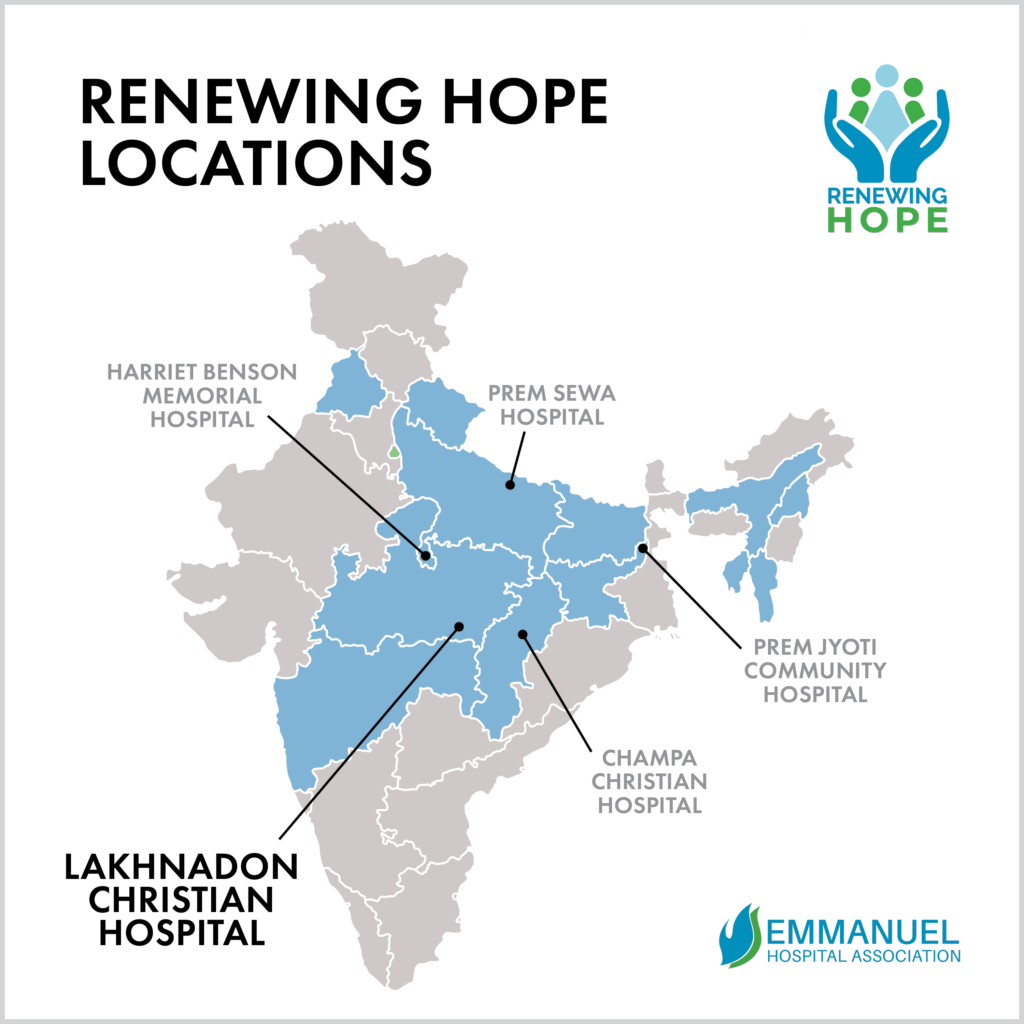
Prem Sewa Hospital at a Turning Point
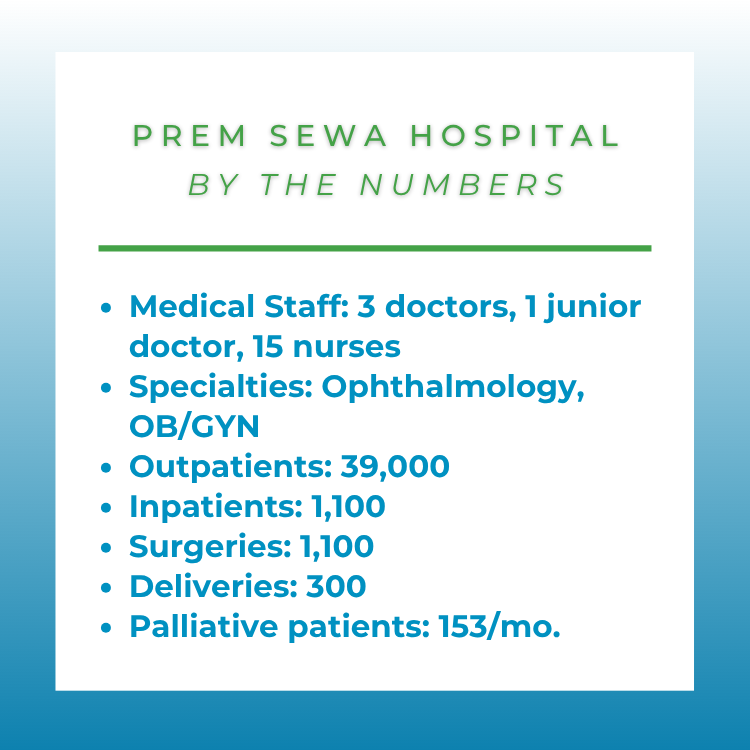
Prem Sewa Hospital (PSH) staff are thrilled to be experiencing a fresh start. With two ophthalmic surgeons, a new OB/GYN, and a new junior doctor, the hospital has reopened the inpatient department, renewed its eye surgeries, and resumed delivering babies and performing needed C-sections. Having both departments functioning again is critical to keeping the doors open at Prem Sewa.
PSH was founded in 1966 by the Central India Christian Mission, and the staff were grateful to celebrate the hospital’s 60th anniversary this year. What began as a small clinic with 72 beds has grown into a facility with 35 beds, three doctors, one junior doctor, and 75 nurses.
Much of the hospital’s infrastructure is designed for eye services and OB/GYN care. For three and a half years, its obstetric and gynecologic services were shut down due to the absence of an OB/GYN. A lone surgeon managed the inpatient department (IPD) for two of those years, but after he left, the department remained closed for nearly two years.
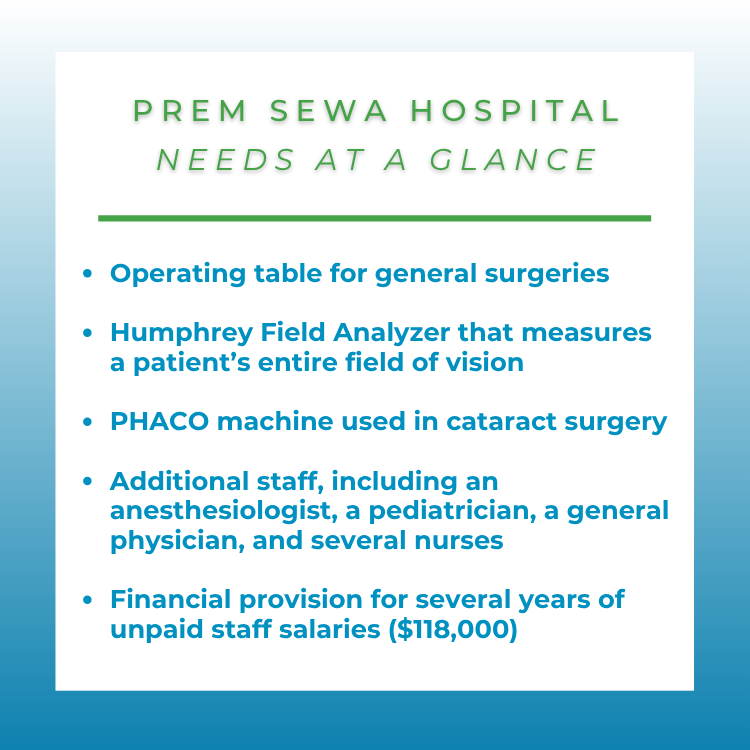
Unfortunately, during those difficult years, staff members often went without a salary. The hospital’s buildings are quite old, and the roof of the outpatient department is falling in.
In addition, two key pieces of eye equipment would significantly support the ophthalmic surgeons in their work. These challenges are why we are reaching out to you for help. Prem Sewa Hospital is at a turning point with new staff, and they need support and financial assistance to move forward. Will you join us in supporting them?
Building a New Foundation:
New Doctor Shares Her Story
by Dr. Jeena
In June, I joined Prem Sewa Hospital in Utraula. The first few weeks were some of the toughest of my professional life.
Walking into a hospital that had been struggling for years was overwhelming. Introducing change often met with resistance, and there were days when I found myself asking, “Why did I come here?” The pressure has been immense.
Our inpatient services had been closed for almost three years. Today, we are slowly rebuilding them. We have restarted normal deliveries and emergency cesarean sections, taking one step at a time. Every woman who comes into labour reminds me that I carry the responsibility for two lives—the mother and her baby—with no immediate specialist backup.
One experience, in particular, will stay with me forever. A young mother who had suffered three heartbreaking miscarriages came to us. During her evaluation at our hospital, she was diagnosed with a complicated condition. Later, she underwent an emergency caesarean section here in Utraula and delivered a healthy baby boy. When his family heard his first cry, they broke down in tears.
They had watched us care for her before the surgery, in the labour room, and again inside the operating theatre. Afterwards, the mother said something I will carry with me for the rest of my life: “We found hope in the midst of hopelessness through this hospital.”
Those words made every difficult day worthwhile.
That little boy is my miracle baby. Every time I see him, I am reminded that hope is already at work in this hospital. We don’t wait for perfect infrastructure, abundant resources, or ideal circumstances. We work through ordinary people who are willing to serve faithfully.
These first months have exhausted me, challenged me, humbled me, and stretched my faith in ways I never expected.
Yet they have also reminded me that miracles happen. Sometimes the restoration of a place begins with a single life that changes everyone’s perspective.
I don’t know what lies ahead for Prem Sewa Hospital. There is still so much to rebuild, so much to improve, and many more challenges to face. But today, I have hope.
Years from now, when this hospital is full of life again, I hope to look back on these difficult first months and remember them not for the exhaustion or the obstacles, but for the way they became the foundation of something far greater than any of us could see.
The Gift of Sight:
Cataract Surgery Brings Sight to the Blind
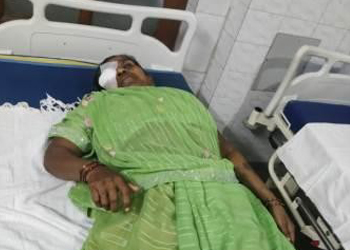
Munni’s vision began to fade so gradually she barely noticed it. Like many thousands of older adults living in remote villages around Utraula, she did nothing at first. But over time, her cataracts grew so thick and opaque that she could see light only when it was shined directly into her eyes.
By the time she came to Prem Sewa Hospital, her condition was quite advanced. The ophthalmic surgeons examined her and prepared for a difficult surgery. All went well, and Munni’s sight was restored. She was deeply grateful for the chance to see again and expressed her appreciation to the surgeons.
Access to this procedure is quite limited in rural India, but EHA hospitals provide cataract surgery for thousands of patients each year. Supporting Prem Sewa helps restore sight for people like Munni, giving them the opportunity to live, work, and move through their communities with confidence again.
Areas of Focus to Renew Hope
- Strength and wisdom for the new OB/GYN doctor as she leads her department
- Additional physicians—including an anesthetist, a pediatrician, a general physician—plus several nurses
- For palliative services to continue serving those who need care in the community
Champa Christian Hospital
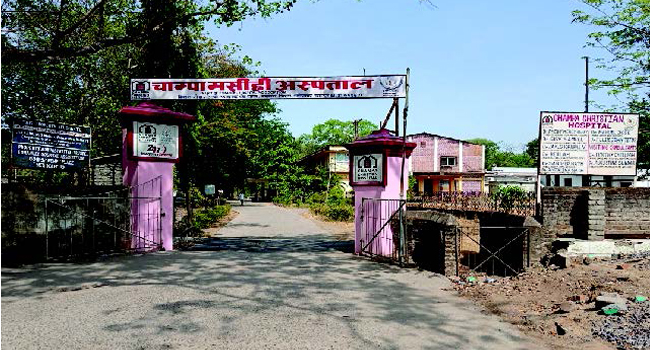
Established 100 years ago, Champa Christian Hospital serves the poor and marginalized communities of the Janjgir-Champa District. Due to the unavailability of medical professionals over the last three years, the hospital has seen a significant decline in patient healthcare services, and their subsequent financial struggles have nearly brought them to closure.
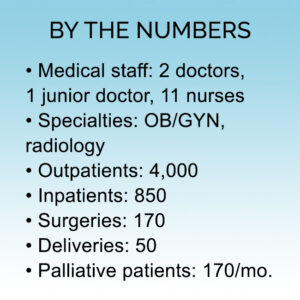
However, with the addition of an OB/GYN doctor, a radiologist, and a senior administrator at Champa, steps are being taken to gradually improve the situation and work toward rebuilding the broken bond between the hospital and the community. They are focused on restoring patient confidence through compassionate, affordable, and dependable care.
Over the next few years, the team at Champa aims to rebuild the hospital around core secondary-care services that address the greatest needs of their community. Particular emphasis will be placed on maternal and child health, emergency care, diagnostics, radiology, palliative care, and affordable access to advanced investigations. They also intend to strengthen community outreach programs so that healthcare reaches vulnerable populations before illness becomes advanced and costly.
Champa’s long-term vision is not simply to increase patient numbers, but to ensure that quality healthcare remains accessible regardless of a patient’s financial circumstances. They want to build a hospital where clinical excellence, financial stewardship, and compassionate service work together so that no person is denied timely diagnosis or treatment because of poverty.
HARRIET BENSON MEMORIAL HOSPITAL
Returning Hope and Healing to Lalitpur
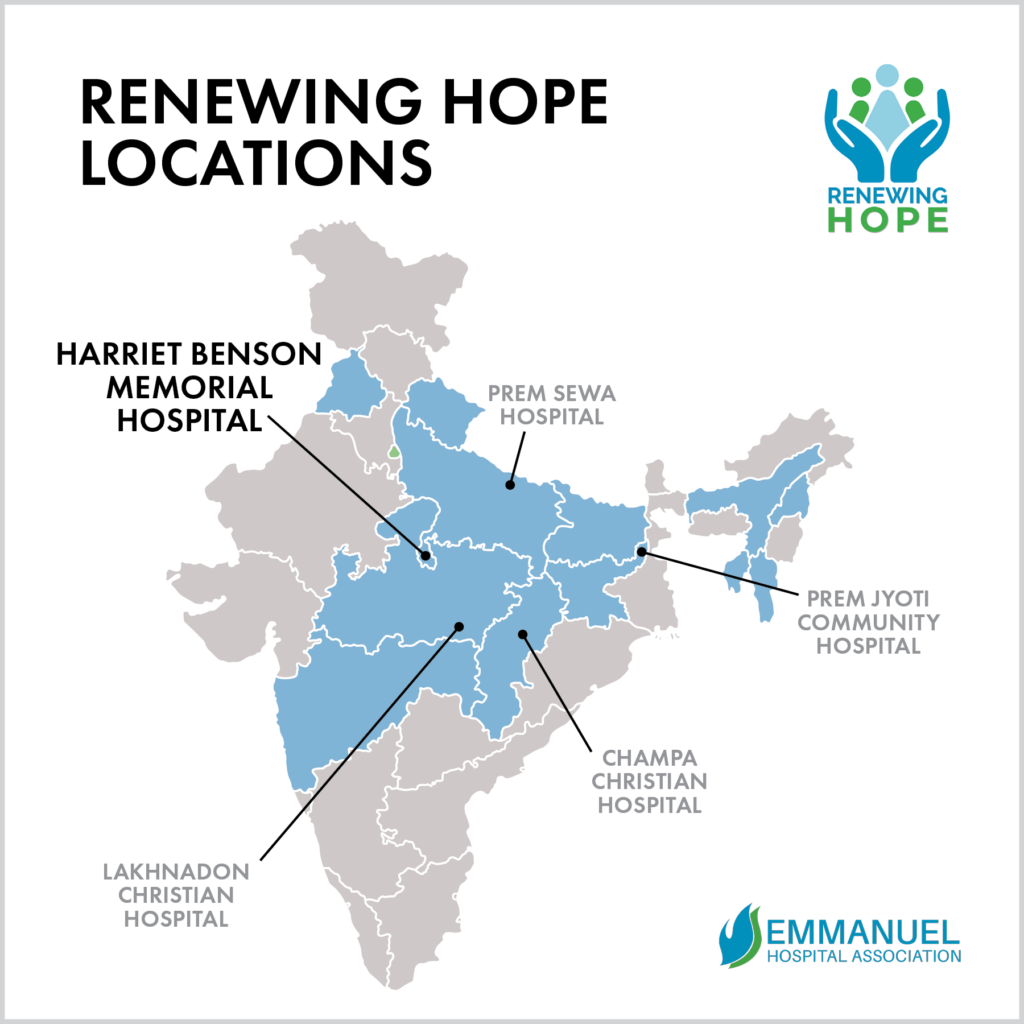
Harriet Benson Memorial Hospital (HBMH) began in Lalitpur, Uttar Pradesh, as a mission station in 1890, and by 1934 a hospital offering regular medical work was in place. People in the surrounding area are very familiar with the hospital because many of them were born there!
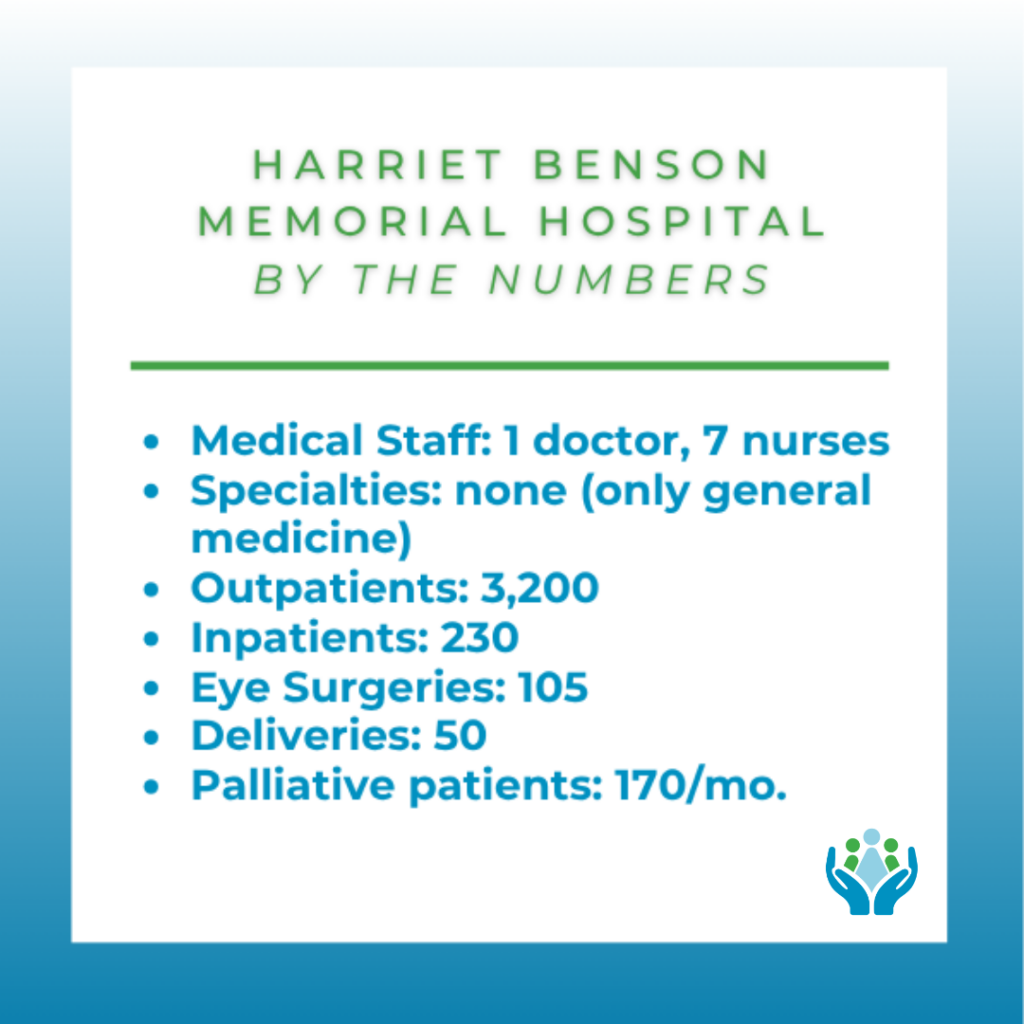
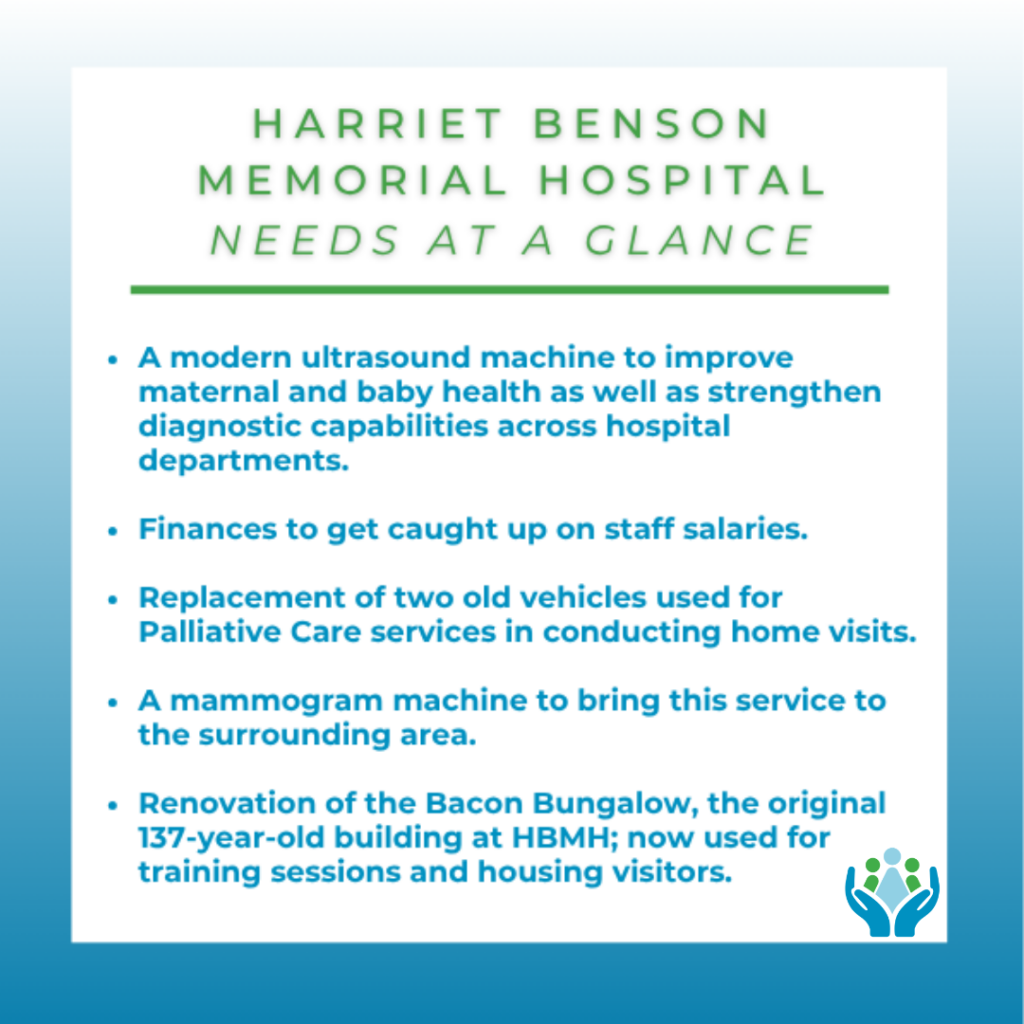
Over the last few years, difficulty in recruiting and retaining doctors has severely limited the services offered, and therefore the income. Yet the nurses and support staff have faithfully continued to work, often with no pay. In 2025, the hospital’s outpatient department was closed for two months, and the inpatient department was closed for eight months. But also in 2025, a new general medicine physician, Dr. Sumeir, joined their team of seven nurses and has opened up new possibilities for more hospital services.
In India, only OB/GYNs are allowed to deliver babies, so the hospital staff have brought in a local consultant almost daily to provide this key service. Likewise, HBMH has an ophthalmology department but no specialist, so a visiting ophthalmologist has been coming in to operate during their eye camps twice a month.
The Palliative Care program at Harriet Benson is the oldest in EHA, and their small teams care for about 170 patients each month! The hospital also runs a Disability and Rehabilitation program in nearby communities, and this service is essential for many. The strength of these two programs is significant.
The immediate goals for the team at HBMH are to re-establish reliable inpatient services, increase outpatient and inpatient traffic, strengthen referral networks, and rebuild the hospital’s reputation as a trusted healthcare provider.
Harriet Benson Memorial Hospital remains committed to its mission of bringing hope, healing, and love to the people of Lalitpur. By God’s grace and through partners like you, we believe HBMH can once again become a thriving center of excellence that transforms lives and communities through compassionate healthcare.
Passing in Peace:
Palliative Care Team Enables a Good Death
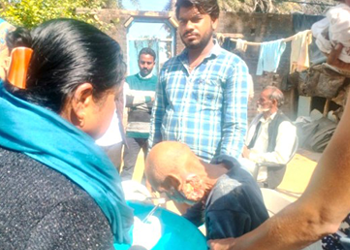
Singh was a 60-year-old farmer in excruciating pain. Like many men in his community, Singh had spent decades chewing tobacco and smoking bidis. What began as a habit eventually led to a devastating illness—advanced oral cancer.
For months, he traveled to clinics and hospitals, seeking help for his condition. Eventually he was told he was not a candidate for surgery, and he retreated to his home, his money gone.
As the cancer progressed, Singh’s suffering became unimaginable. A large wound developed in his mouth. Pain made eating and speaking nearly impossible. The wound became infected, and maggots appeared. His family, already emotionally exhausted, did not know how to care for him.
It was at this critical stage that someone recommended Harriet Benson Memorial Hospital. When Singh arrived, he was immediately received by Dr. Sumeir. She saw a man who deserved comfort, dignity, and compassionate care. The team cleaned his wound, removed the maggots, and addressed his immediate suffering.
That moment changed everything. The Palliative Care nurses provided regular wound care and managed his pain at home so that he could rest comfortably and communicate with his family. In addition, the counselors and nurses spent hours listening to the family’s concerns, explaining the disease process, teaching caregiving skills, and helping the family prepare for the future.
They transformed fear into understanding and confusion into confidence.
With the family’s permission, members of their team also prayed with them during a time of deep uncertainty. The family later described these moments as a source of peace and strength when they needed it most.
Because of this comprehensive care, Singh’s final days were not defined by pain, fear, or isolation. They were defined by comfort. He was able to spend meaningful time with his loved ones. His family learned how to care for him with confidence and compassion. Difficult conversations were approached with honesty and support. And when the time came, Singh passed away peacefully, surrounded by those who loved him.
Following his death, our team continued to walk alongside the family through bereavement visits and emotional support.
Compassionate, Caring Childbirth:
One Young Mom Comes to Harriet Benson for Help
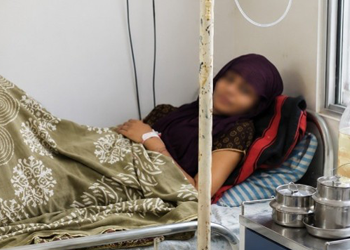
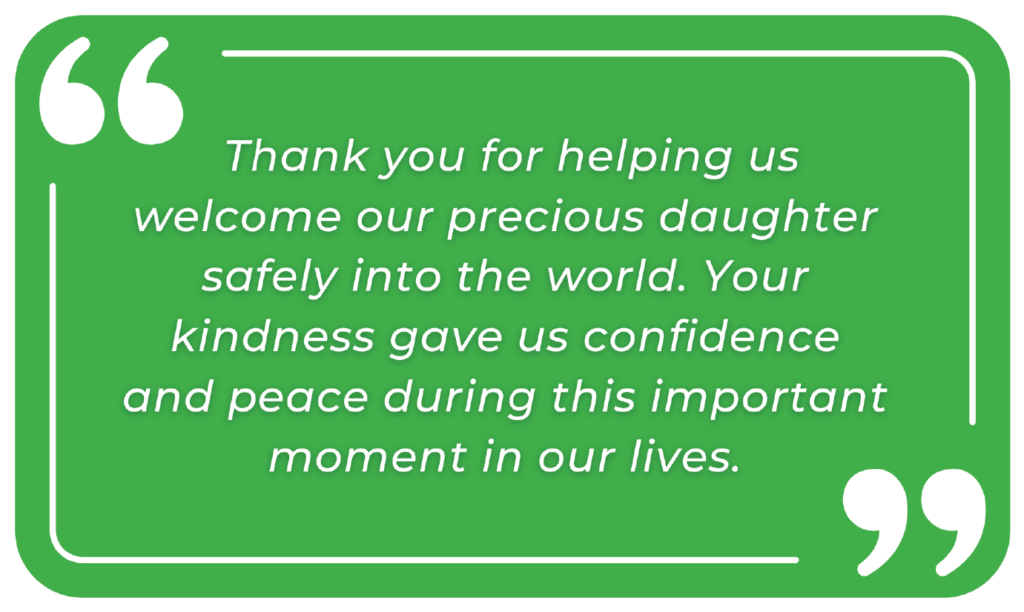
At Harriet Benson, every expectant mother is welcomed with dignity, compassion, and professionalism. Rani, a first-time mother, had not received care at HBMH during her pregnancy. But when she arrived in labor at 37 weeks pregnant, she was promptly assessed and supported by our skilled healthcare professionals. Through the coordinated efforts of their visiting OB/GYN, their general physician, and their nursing teams, she received comprehensive care and close monitoring throughout her labor. Everyone was thankful when Rani safely delivered a healthy baby girl through a normal delivery.
What began as an unexpected hospital visit ended in a joyful and memorable experience for the family. Today, both mother and daughter are healthy, thriving, and enjoying this precious new chapter of life together.
This successful outcome reflects the good maternity care provided at Harriet. The doctors, nurses, and support staff work tirelessly to ensure that every mother receives safe, respectful, and evidence-based care, regardless of her circumstances. Such dedication continues to earn the trust, appreciation, and recognition of the many patients and families HBMH serves.
Areas of Focus to Renew Hope
• Recruitment and retention of qualified healthcare professionals
• Increased patient trust and use of medical services
• Strength and encouragement for staff serving in challenging circumstances
• Financial provision for hospital sustainability
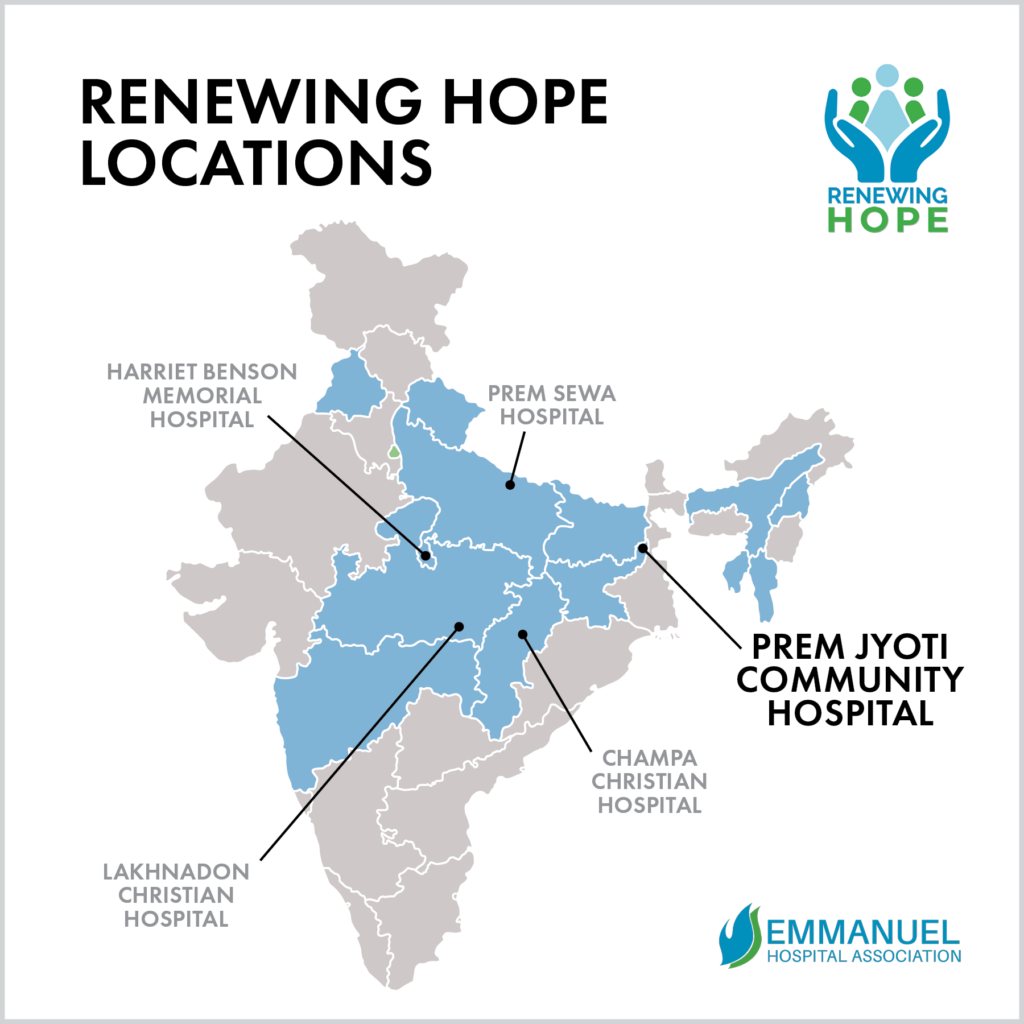
PREM JYOTI COMMUNITY HOSPITAL
Prem Jyoti Hopes to Stabilize and Rebuild
In 1996, Prem Jyoti Community Hospital (PJCH) was founded under the Emmanuel Hospital Association (EHA) to serve the Malto tribal community living in the hills around Barharwa, Jharkhand. When the hospital began, the Malto population was diminishing rapidly due to malaria, kala-azar (a parasitic disease), and tuberculosis. One of the first things the new doctors did was introduce mosquito nets and raise awareness of these diseases and their transmission. Over the last thirty years, PJCH has become an important source of healthcare for many marginalized families and is the only significant medical facility within a thirty-mile radius.
However, the COVID-19 pandemic and its aftereffects placed the hospital under severe financial strain and created a serious shortage of medical manpower. Like many mission hospitals serving remote and vulnerable communities, PJCH found it increasingly difficult to sustain services due to rising operational costs, reduced numbers of patients, and challenges in recruiting and retaining qualified healthcare professionals.
Currently, EHA’s Madhipura Christian Hospital (MCH) in Bihar is supporting PJCH through management guidance, administrative strengthening, and regular loaning of doctors and other medical personnel. This partnership has been helping PJCH stabilize services, rebuild community trust, and gradually improve patient traffic.
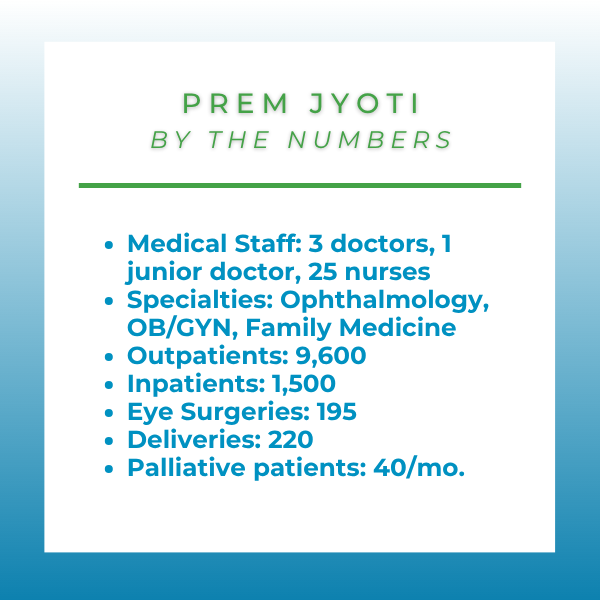
The medical team at PJCH includes an ophthalmologist (Dr. Ruhel), Dr. Bethany, an OB/GYN who delivers over 200 babies each year, a family physician (Dr. Blessy), a junior doctor (Dr. Elizabeth), and 25 nurses. The laboratory technicians are also quite busy, running over 25,000 tests annually. The palliative care team sees about 100 patients a year, conducting about 75 home visits each month, while the community health team runs 75 health camps at remote villages scattered throughout the surrounding area.
The leadership’s strategy is to strengthen PJCH into a sustainable, mission-driven healthcare institution while continuing to provide high-quality, affordable, and compassionate care to the poor and marginalized.
Some of their key goals include:
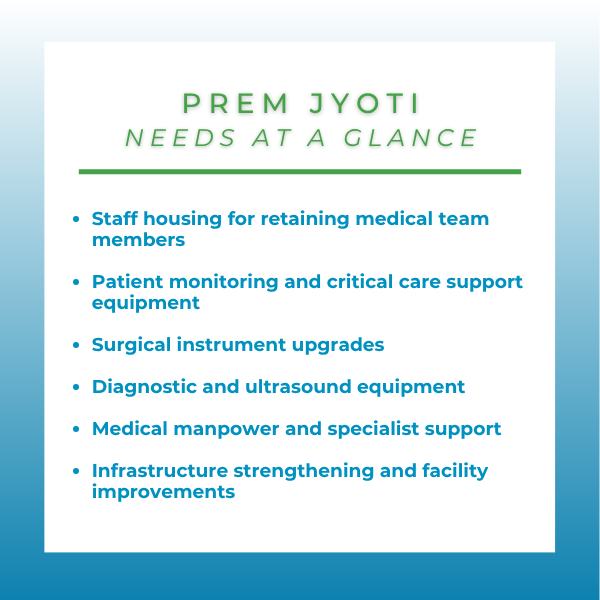
– Expanding surgical and diagnostic services
– Providing eye care and surgery
– Improving radiology and critical care infrastructure
– Building staff housing to help retain committed medical staff
Restoring Dignity, Hope, and Support:
Palliative Care Team Provides Medical Treatment, Food, and School Assistance
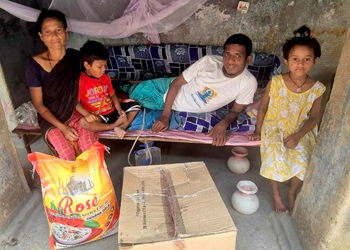
Deegen Malto was only twenty-seven years old when he fell from a tree and injured his spinal cord. Finding himself bedridden, he despaired of providing for his wife and four young children.
When the staff at PJCH heard about his difficult situation, the palliative care team immediately jumped in to help. During their home visits, the nurses delivered supportive care and made sure Deegan’s wife knew how best to care for him. Deegan later developed kidney-related complications and was referred to Madhipura for further treatment and structured rehabilitation. By God’s grace, Deegen’s condition improved, and he was able to return home.
At follow-up visits, the palliative care team learned that Deegen’s oldest son had discontinued school due to their financial difficulties. In addition to food staples and other basic needs, the team’s support made a way for this boy to return to school.
Starving for Help:
Malnourished Toddler Comes to PJCH
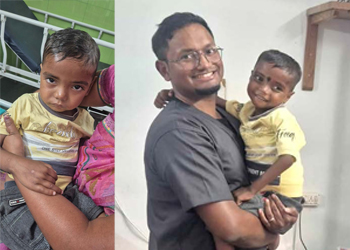
Many families in rural North India do not have enough to eat on a daily basis—a heartbreaking reality. And many parents simply don’t know what nutrients their children need to keep them healthy.
Vivek was only four years old when he was brought to PJCH. The medical staff was alarmed to see how malnourished he was. His family was unable to afford proper medical treatment or nutrition for him. As is so often the case with EHA, the hospital provided free care for him.
With continued treatment and nutritional support, Vivek gradually improved.
Even after his discharge, the hospital continues to support the family with follow-up nutritional care and basic food supplies to reduce the risk of relapse.
Today, Vivek is active, playful, and developing normally. The entire PJCH team is thrilled with his recovery.
Branded With a Hot Iron:
Barbaric Traditional Practice Harms Boy
Ten-year-old Sanju had been suffering from abdominal pain and vomiting for six long days when he was brought to PJCH. During the examination they lifted his shirt and found numerous burns from a branding iron, a barbaric practice rooted in the traditional belief that poking a person repeatedly with a hot iron will cure disease.
After careful diagnostics, Sanju was found to have an intestinal obstruction, a condition that requires surgery without delay. The family refused to go anywhere else, even though PJCH does not have a surgeon. So, a surgical team made the five-hour trip from Madhipura Christian Hospital to PJCH and operated on the boy.
Sanju completely recovered his health, and his relatives experienced the love and commitment of the hospital staff throughout this journey.
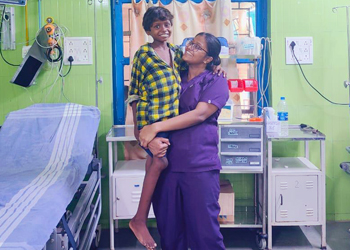
Areas of Focus to Renew Hope
– Wisdom, strength, and protection for their leadership and staff
– God’s provision for equipment, infrastructure, and operational needs
– Recruitment and retention of committed doctors, nurses, and support staff
– Financial provision for hospital sustainability and payment of outstanding staff salaries and liabilities
– Continued opportunity to serve poor and marginalized communities
LAKHNADON CHRISTIAN HOSPITAL
Lakhnadon Christian Hospital Begins Again
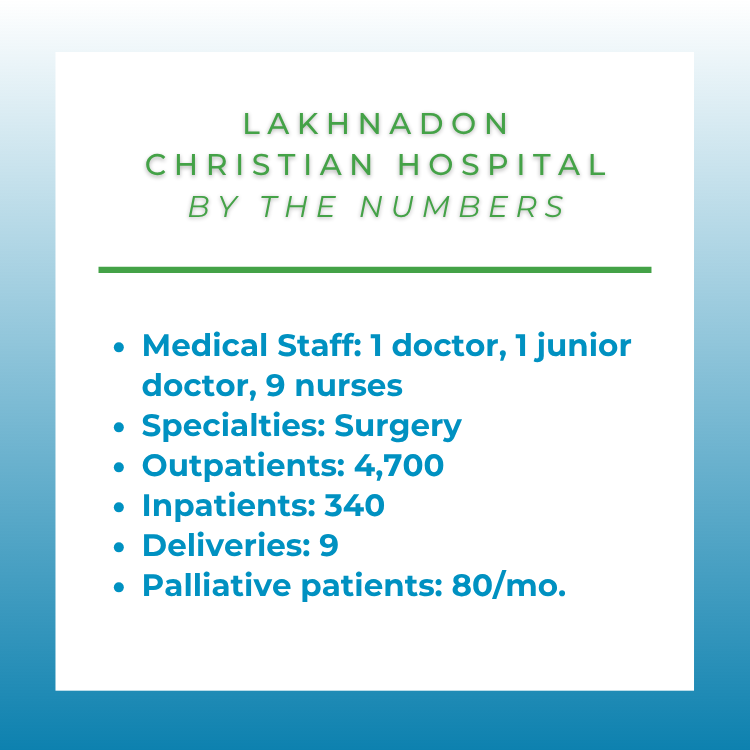
Lakhnadon Christian Hospital (LCH) was founded over 100 years ago by Scottish missionaries in Lakhnadon, Madhya Pradesh in Central India, strategically located between the cities of Jabalpur and Nagpur along two major national highways. Previously, scarce medical care in this region forced mothers to travel long distances to give birth. Surgical illnesses went untreated, and preventable conditions often turned deadly.
Serving nearly 250,000 people across surrounding rural and tribal communities, LCH was a place of refuge and dignity for thousands of underserved families. However, the effects of staff shortages and the COVID-19 pandemic forced it to close. For several years, this loss of care was deeply felt in the surrounding communities. Despite growing healthcare demands, the region still endures a severe shortage of specialist and emergency medical services.
Clinical services gradually resumed in January 2022 through the support of partner organizations and the dedication of a new team of healthcare professionals. Today, the hospital is in a new phase of restoration and growth. A surgeon and a junior doctor have joined the team, allowing for trauma surgeries, general and laparoscopic procedures, and comprehensive inpatient care. The two doctors, plus nine nurses, are serving the community through mother and child health services, pediatrics, general medicine, and emergency treatments.
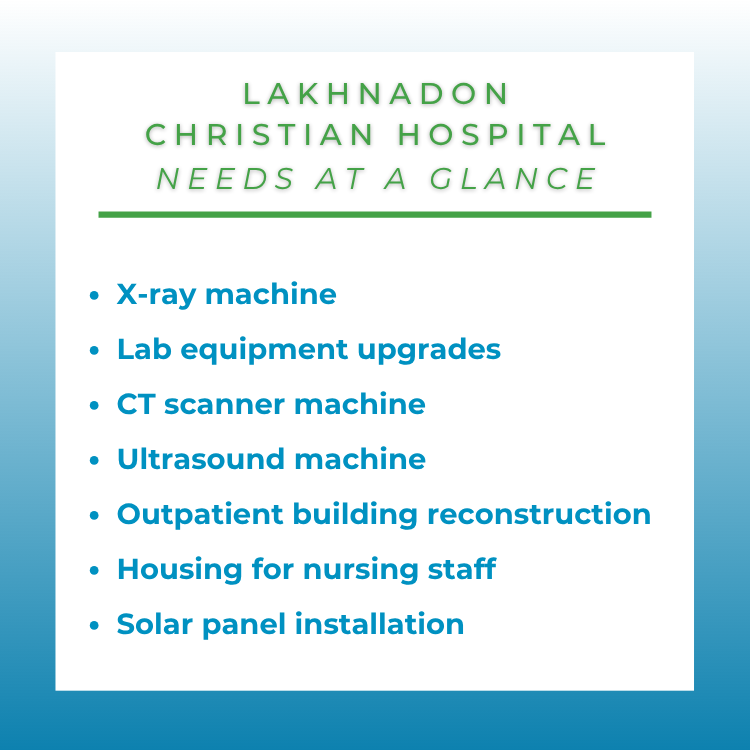
A needed renovation of inpatient wards and the operating room, along with the purchase of laparoscopic equipment and surgical instruments, has been funded by a grant from an Indian foundation. But Lakhnadon still needs to replace their outpatient building and add more housing for nursing staff, along with acquiring quite a few types of diagnostic and treatment equipment in order to give their patients quality care.
LCH staff serve today with the same spirit that inspired its founders over a century ago: compassion for the poor, integrity in service, and a faith-driven commitment to healing.
We invite you to partner with LCH at this crucial moment in its history—restoring hope and transforming lives through accessible and compassionate healthcare for rural India.
READ THE LCH NEWSLETTER
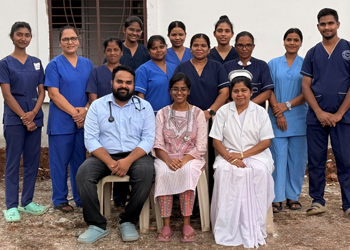
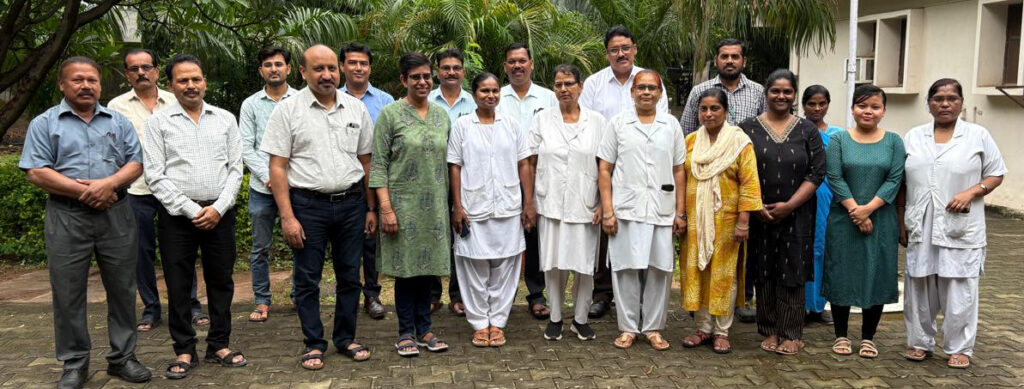
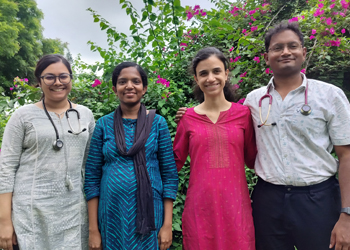
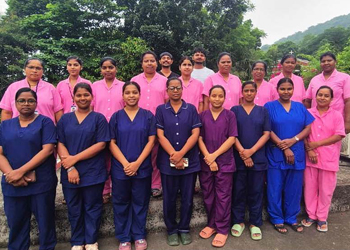
Row 1: Dr. Stephen, Dr. Riya, and Nurse Supervisor Mrs. Shantsheela
Row 2: LCH nurses and technicians
A Conversation with Dr. Stephen and Dr. Riya
How were you both led to Lakhnadon and to serving in medical ministry?
We have come to believe that our plans are not simply a series of coincidences. Looking back, we can see that our journey to Lakhnadon was something He had been preparing long before we understood it.
It goes back to 2015, when my sister Sharon came to Lakhnadon to complete her service agreement. She fell in love with this place, its people, and the ministry here. Over the years, Lakhnadon remained very close to her heart.
When the time came for me to choose where I would complete my own service, I was given a choice. I could go to one of the well-established hospitals with a fully functioning surgical unit and all the facilities already in place. Or I could come to Lakhnadon, a hospital that was struggling and was at a point where it desperately needed someone to come alongside the team, rebuild, renew, and revive the work.
My sister immediately called me and said, “This isn’t really a choice. He is leading you to Lakhnadon.”
After that, there really wasn’t much more to decide.
We chose to come to Lakhnadon because we felt this was where He wanted us. We wanted to take up the challenge and be part of what He was doing here.
Our parents have also always wanted us to serve in medical ministry. Medicine gives us the privilege of caring for people physically, but medical ministry gives us the opportunity to care for the whole person, and to share love and hope alongside the medical care we provide.
What has been one meaningful or memorable part of your time serving at Lakhnadon?
For us, the most meaningful moments are often very simple: seeing the joy on a patient’s face, or the relief and gratitude of a family when someone they love gets better.
One case that stays with us was a two-year-old child who came to us with Jimsonweed poisoning. He became critically ill, and we reached a point where we had to make a difficult decision: whether to take the risk of continuing treatment at Lakhnadon or refer him to a higher center.
We chose to treat him here, doing everything we could. He was healed.
Seeing his mother’s joy when she was able to take her child home is something we will never forget. Those moments remind us why this hospital matters.
More recently, we cared for a 23-year-old young man with fulminant hepatic failure who arrived in a coma. He was critically ill and, from a human perspective, had very little going in his favour. His family had been told that there was very little hope, and he was brought to Lakhnadon to live his last moments surrounded by family.
But he recovered. He eventually woke up, began talking, was able to come off the ventilator, and ultimately walked back home.
The joy and gratitude of his family, and even of the wider community who had been hoping for him, was incredibly moving. These are the moments we carry with us.
They remind us that sometimes a mission hospital is not just a place where someone receives treatment. It can be the place where a family finds hope when they thought they had none left.
What do you love about the people and community you serve?
One of the things we love most about Lakhnadon is the relationship the community has with this hospital.
Many of the people we serve come from different backgrounds, yet there is a deep respect and affection for what they call the “Mission Hospital.” There is something they recognize here, something different about the way they are cared for.
The support we have received from the local community has been incredible. People have welcomed us, trusted us, encouraged us, and stood with the hospital through difficult times.
Their love and respect for the Mission Hospital motivates us to work harder and to keep trying to make this place better.
We feel very privileged that we are allowed to serve among these people.
What is your hope for the future of Lakhnadon Christian Hospital?
Our realistic hope is to see Lakhnadon Christian Hospital develop into a place where people can receive treatment for the major illnesses they face without having to travel long distances, sometimes nearly 100 kilometers, to reach another hospital.
We especially want to strengthen essential emergency and diagnostic services, including establishing a blood bank, and gradually build the surgical, medical, obstetric, pediatric, and critical care capabilities of the hospital.
For us, this is not simply about building a bigger hospital. It is about making sure that when someone in this community becomes seriously ill, they have somewhere close to home where they can receive timely, compassionate, and good-quality care.
And then I have what my wife calls my “slightly ridiculous” dream!
I would love to see Lakhnadon eventually become a place of learning as well as healing. A place where medical students and young doctors can come, learn, train and understand what it means to serve communities that are often overlooked.
Perhaps one day, there could even be a Lakhnadon Christian Hospital and Medical College.
It may sound like a very big dream today, but we have learned that what can come about is far bigger than what we can see at the moment.
We don’t know exactly what the future holds for Lakhnadon. But we do know that we want to be faithful with what has been placed in our hands.
We are deeply grateful to everyone who has prayed for Lakhnadon, supported this ministry, given generously, and believed in what can be done through this little hospital.
Every patient who walks home healed, every family that finds hope, and every life that is touched here is possible because people chose to stand with this ministry.
Thank you for helping us tell the story of Lakhnadon.
With gratitude and blessings,
Dr. Stephen & Dr. Riya
Lakhnadon Christian Hospital
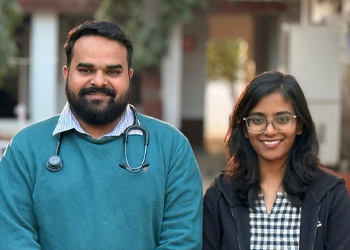
Husband and wife team Dr. Stephen and Dr. Riya
The Joy of New Birth:
Complicated Pregnancy Ends with Health Baby
by Dr. Stephen Tom Jude
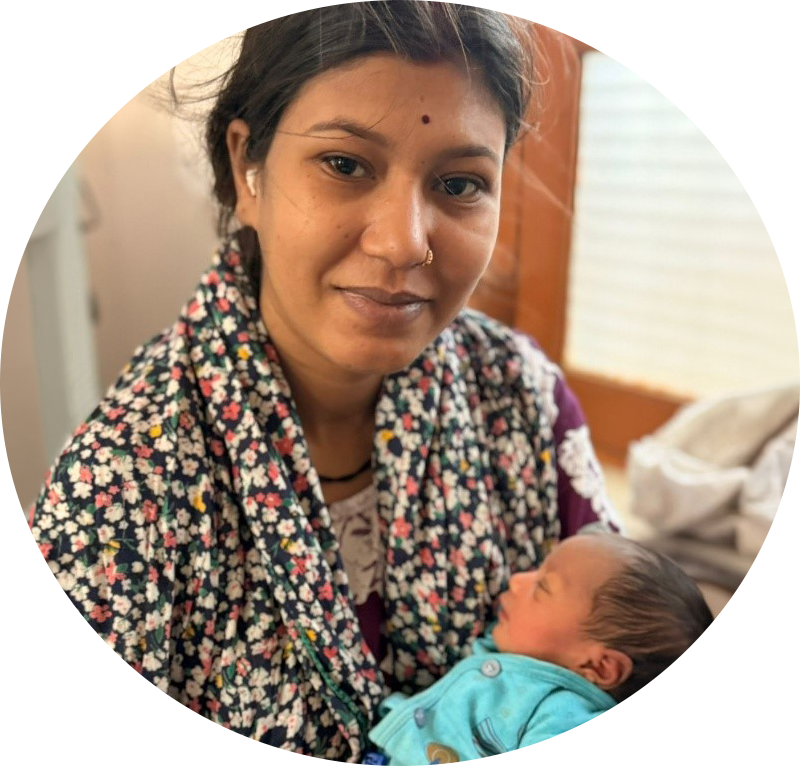
Soniya, 23, waited with excitement for the arrival of her first baby. But at 27 weeks, that joy was shaken by news that her unborn child had severe intrauterine growth restriction (IUGR). Suddenly, uncertainty and fear overshadowed the pregnancy. Now she wondered if her child would even survive.
What followed was a long season of monitoring, waiting, and hoping—week after week of follow-up visits to LCH, each one a small victory. Then at 32 weeks, Soniya was rushed to the hospital with severe abdominal pain. With premature delivery and the baby’s condition uncertain, transfer to a facility with advanced care was advised.
But Soniya and her family refused. LCH wasn’t just another hospital—Soniya herself had been born within its walls, and it had served her family for generations. In their moment of fear, they chose to trust it again.
The team acted immediately: tocolysis to stop contractions, steroids to speed the baby’s lung development, and constant monitoring from Dr. Stephen and Dr. Riya. Against all expectations, the pregnancy continued for six more weeks.
At 38 weeks, Soniya’s tiny baby girl—breech, and weighing less than 4 pounds—was delivered by caesarean section. For a brief second, time stood still. Then she cried—and tears filled the eyes of doctors, nurses, and staff. What had once seemed impossible had become reality. Both mother and baby recovered well and went home without complications.
Soniya’s story is about more than a successful delivery. It’s about a family’s generational trust in a rural hospital—trust that kept doctors and nurses fighting even when the outcome was uncertain. It’s a reminder of why rural maternal and newborn care matters: in underserved communities, mothers often face pregnancy with limited access to specialists and emergency obstetric support. Yet timely care, close monitoring, and dedicated healthcare workers can change outcomes dramatically.
Burn Victim Saved at LCH:
Returning Home with Dignity, Hope, and the Opportunity to Rebuild a Life
by Dr. Stephen Tom Jude
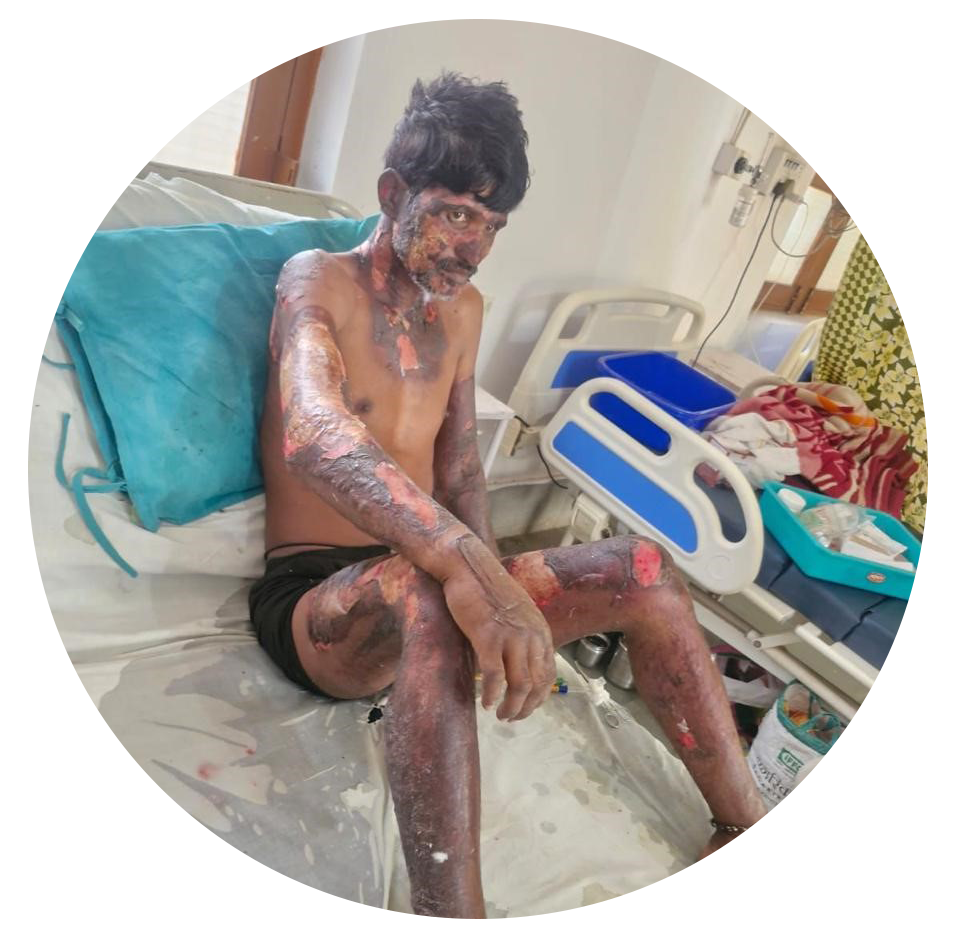
Ram, 42, is a farmer who built a simple life around hard work and responsibility. Like many families in rural Madhya Pradesh, his livelihood depended on the cattle he raised—not merely animals, but his family’s income, security, and survival.
One evening, a fire broke out in his cattle shed. Hearing his animals’ terrified cries, Ram ran into the burning structure without thinking of his own safety. He got the animals out alive but suffered devastating injuries himself.
At the hospital, doctors found nearly 45% of his body burned. He was in severe pain, dehydrated, and critically vulnerable to infection. In the past, a patient like Ram would almost certainly have been referred to a distant, more advanced facility—hours of travel, overwhelming expense, and sometimes losing the patient before care even began. This time, things were different.
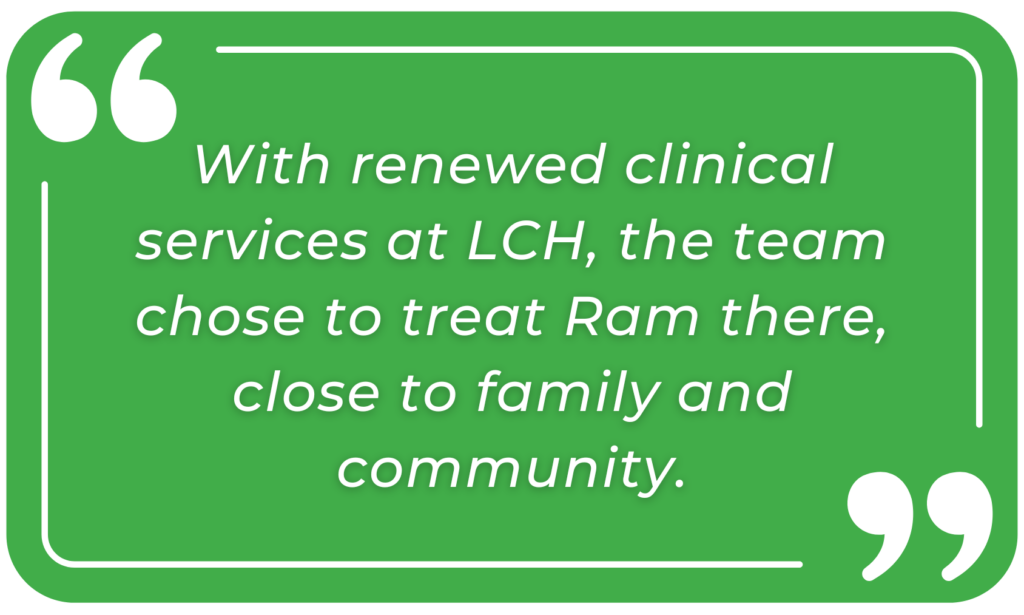
With renewed clinical services at LCH, the team chose to treat him there, close to family and community. What followed was days of relentless, compassionate care: carefully monitored fluids, repeated wound dressings, infection prevention, pain control, and round-the-clock attention to nutrition and vital signs—all driven by an exhausted but determined team of doctors and nurses.
Ram worried less about himself than about his family, his fields, and whether he’d work again. Slowly, signs of recovery appeared. His condition stabilized day by day, until he was discharged, stable, healing well, and free of the infections that so often complicate severe burns.
Most importantly, he returned home with dignity, hope, and the chance to rebuild his life and keep caring for his family. For LCH staff, this case reflects a quiet but significant transformation—cases once considered beyond a rural mission hospital’s capacity are now managed with confidence, continuity, and compassion, closer to home.
Areas of Focus to Renew Hope
- Renewed strength, wisdom, compassion, and endurance for all staff members
- Completion of the operating room construction funded by an Azim Premji grant
- Additional physicians—including an anesthetist, a pediatrician, an OB-GYN and a radiologist—plus more nurses
- Financial provision for several years of unpaid staff salaries ($48,000)