
The Joy of New Birth
by Dr. Stephen Tom Jude
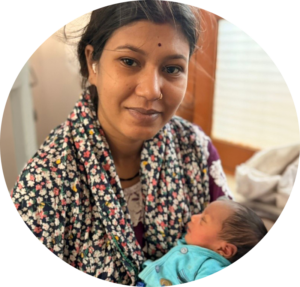
Soniya, 23, waited with excitement for the arrival of her first baby. But at 27 weeks, that joy was shaken by news that her unborn child had severe intrauterine growth restriction (IUGR). Suddenly, uncertainty and fear overshadowed the pregnancy. Now she wondered if her child would even survive.
What followed was a long season of monitoring, waiting, and hoping—week after week of follow-up visits to LCH, each one a small victory. Then at 32 weeks, Soniya was rushed to the hospital with severe abdominal pain. With premature delivery and the baby’s condition uncertain, transfer to a facility with advanced care was advised.
But Soniya and her family refused. LCH wasn’t just another hospital—Soniya herself had been born within its walls, and it had served her family for generations. In their moment of fear, they chose to trust it again.
The team acted immediately: tocolysis to stop contractions, steroids to speed the baby’s lung development, and constant monitoring from Dr. Stephen and Dr. Riya. Against all expectations, the pregnancy continued for six more weeks.
At 38 weeks, Soniya’s tiny baby girl—breech, and weighing less than 4 pounds—was delivered by caesarean section. For a brief second, time stood still. Then she cried—and tears filled the eyes of doctors, nurses, and staff. What had once seemed impossible had become reality. Both mother and baby recovered well and went home without complications.
Soniya’s story is about more than a successful delivery. It’s about a family’s generational trust in a rural hospital—trust that kept doctors and nurses fighting even when the outcome was uncertain. It’s a reminder of why rural maternal and newborn care matters: in underserved communities, mothers often face pregnancy with limited access to specialists and emergency obstetric support. Yet timely care, close monitoring, and dedicated healthcare workers can change outcomes dramatically.